
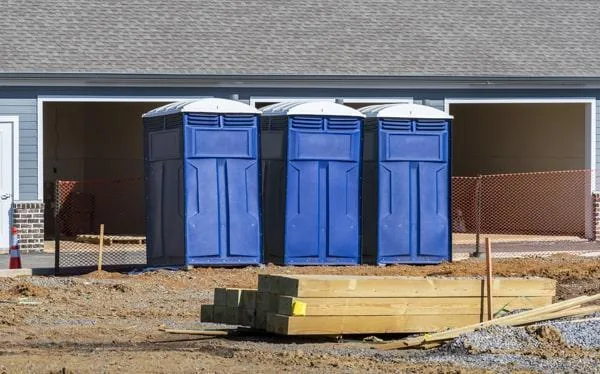
Make a short walk-round part of the site routine
A supervisor or assigned project contact can check the restroom area at the start or end of a shift without opening waste tanks or service panels, attempting repairs or repositioning equipment. Respect an occupied cabin and users’ privacy. Confirm that the unit is at its recorded location, its ordinary entrance and approach remain usable, and the surrounding area has not changed in a way that affects safe access.
Record the exact position in practical terms, such as the gate used, nearby building area, grid reference or marked site plan location. A clear record is especially useful when multiple units, crews or phases are involved and when the person present at service time may not be the person who placed the original order.
- Confirm the recorded unit location and visible approach route.
- Look for newly placed materials, parked equipment, fencing, trenches or barriers near the unit.
- Note visible depleted supplies, damaged hardware or conditions affecting normal use.
- Record the observation, date and responsible project contact.
- Report conditions through the provider contact process rather than attempting a repair or move.
Protect delivery and service access
The access route is part of the operating plan. Keep the agreed gate, vehicle approach and path to the unit free from new obstructions. Before a fence shift, excavation, temporary closure, shutdown, delivery staging or laydown expansion affects that path, tell the provider and discuss a revised arrangement before the route is blocked.
Give the provider a project contact who can answer access questions and ensure that current site instructions are available. If an issue is reported by a worker, separate the observation from the remedy: the worker can identify a blocked route, depleted supplies or visible damage, while servicing and equipment decisions are coordinated with the provider.
- New gate code, escort procedure or restricted arrival period.
- Fence, excavation, scaffolding, material storage or vehicle-routing changes.
- A unit location that has become too close to active work or no longer has a safe user approach.
- The contact name and number for access or urgent site-layout questions.
Hand over the plan between shifts and before collection
At shift change, pass on the unit location, current condition reports, planned layout changes and the named project contact. A brief entry in the daily site record can prevent a restroom from being isolated behind a new barrier or overlooked during a phase change.
Before final collection, check that the approved access route is open, temporary locks or restrictions have been addressed and the collection contact knows how to reach the location. If the project has changed the original layout, communicate that change before the collection visit rather than relying on a note at the gate.
Questions before you book
How do site toilets support daily jobsite operations?
They provide a known temporary restroom location for the crew. A routine visual check helps the project team keep the approach clear, record concerns and communicate site changes that could affect service.
What access should remain clear for delivery and service?
Keep the agreed vehicle approach, gate procedure and path to the recorded unit location clear of fences, parked equipment, material storage, excavation and other new obstructions.
When should a project revisit its restroom layout?
Review it before changes such as a new fence line, excavation, shutdown, changed gate, major laydown area or vehicle-routing shift could affect the unit or its service path.
Can workers move or repair a site toilet?
Workers should report the observed issue and exact location to the responsible project contact, who can coordinate with the provider. Do not move or repair the unit or open its waste tank or service panels. This does not prohibit normal use of the cabin door and fixtures in accordance with their instructions.