
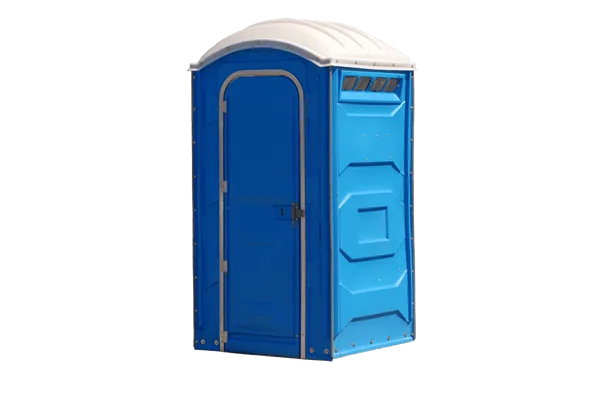
Where a standard portable toilet fits
Standard portable toilets are suited to general temporary restroom use at construction sites, outdoor gatherings, maintenance areas, temporary facilities, and similar locations. They provide a focused restroom option without relying on nearby permanent facilities.
The right quantity and arrangement depend on the expected users, duration, activity pattern, existing restroom access, and site layout. A standard unit may be a straightforward fit for general use, but it should be considered alongside the access needs and experience of the people using the site.
- Construction and renovation activity
- Outdoor work and maintenance areas
- Community gatherings and private events
- Temporary facilities and seasonal operations
- Supplemental restroom capacity near a primary activity area
What happens inside a self-contained cabin
The toilet compartment provides privacy while its holding tank retains waste for removal by the sanitation provider. An ordinary self-contained cabin does not need to be connected to the building sewer. Check the actual proposal for the seat, privacy latch, ventilation and paper provision; a flushing mechanism, interior sink or powered light must not be inferred from the word standard.
Use the cabin for its intended toilet function. Wipes, bottles, food packaging and construction waste do not belong in its tank. Follow the supplied instructions and report a broken latch, depleted paper or an unusable unit. The site team should not pump the tank, add improvised chemicals or open service components. Keep washing provision visible in the order, whether inside the chosen model or supplied separately.
Compare standard units with other categories
A standard unit addresses the basic temporary restroom need. An accessible portable restroom is a separate category to discuss when an accessible option and a suitable approach route are important. Handwashing stations add a dedicated hygiene location and can be placed as part of a broader restroom layout.
Deluxe and VIP portable restroom categories may be considered for selected guest-facing occasions. Their applicable configuration, features, and availability need confirmation, so hosts should avoid making layout or presentation decisions around an assumed model.
- Standard: general temporary restroom use
- Accessible: an appropriate accessible restroom option and route
- Handwashing: added hygiene capacity near restroom or activity areas
- Deluxe: a more guest-oriented category to discuss
- VIP or luxury: a higher-end category for selected occasions
Prepare the placement and access route
Choose a level, stable placement area that keeps the unit accessible to users and clear of active traffic, excavation, stored materials, and event congestion. The location should work for the people using it without creating a conflict with pedestrian circulation or the project’s operating area.
Describe the vehicle approach, gates, turns, overhead restrictions, and any timing limits that affect delivery, servicing, or collection. Keep the agreed route open after placement. Equipment should not be moved by site users; changed conditions should be communicated to the rental contact.
- Level, stable ground
- A clear user approach
- Separation from traffic and active hazards
- Delivery, service, and collection route details
- Gate, parking, and entry instructions
- An onsite contact familiar with the placement
Request a scope that matches the use
For a quotation, provide the address, dates, planned use, expected users, existing restroom conditions, equipment category under consideration, and placement and access information. Ask what is included for delivery, collection, servicing, and supplies, and identify any site restriction that could affect the arrangement.
During the rental, keep the area around the unit clear and report a concern with the location, condition, and access information. At the end of use, coordinate collection with a clear route and site contact.
- Rental dates and use type
- Expected users and operating pattern
- Equipment category to confirm
- Site map or placement directions
- Delivery and collection access
- Included scope and separate coordination questions
Questions before you book
What is a standard porta potty suited for?
It is suited to general temporary restroom needs at worksites, gatherings, outdoor activity areas, and temporary facilities where permanent restrooms are unavailable or insufficient.
When should I consider an accessible or upgraded option?
Discuss an accessible unit when users and the site route call for an accessible restroom option. Consider deluxe or VIP categories for selected guest-facing settings, and add handwashing where a dedicated hygiene point is useful.
What does the site need before placement?
The site needs a level, stable area, a clear user approach, and an accessible route for delivery, servicing, and collection. Share gates, restrictions, and onsite contact details.