
When a dumpster is useful
Dumpster planning may suit renovation work, move-outs, property cleanups, landscaping debris, and projects that generate material too bulky or numerous for ordinary disposal. Describe the work, the expected debris, and whether waste will accumulate all at once or over stages of the project.
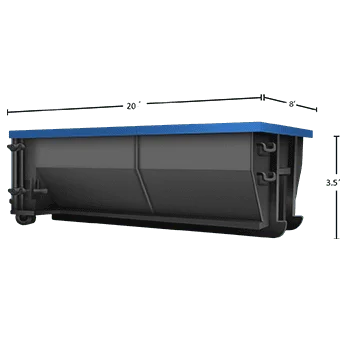
A general dumpster request can begin with the cleanup goal and material types. A larger temporary container may be appropriate for substantial debris; see the focused guide to roll-off containers when vehicle placement and larger-project coordination are central to the plan.
- Type of work and the materials expected
- Whether debris is from a single cleanup or an active project
- The anticipated rental period and the point when collection will be needed
Describe the material before choosing a container
Separate bulky household contents, renovation debris and landscape material in your description rather than requesting a container for everything. Tell the provider about dense loads such as concrete or soil and ask whether they require a separate container or loading restriction. Acceptance, sorting and any special handling must be agreed for the actual waste stream.
Do not add paint, chemicals, batteries, liquids, suspected asbestos-containing material or other potentially restricted waste without a confirmed appropriate handling arrangement. Appliances and tires can also require separate consideration. If unexpected material appears during the work, ask before mixing it into the accepted load. A dumpster order is not permission to dispose of every item found on the property.
Discuss the placement and approach before scheduling
Identify the proposed container location, including its surface, nearby gates, overhead clearance, turns, and the route a delivery vehicle would use. Keep the location separate from active work paths, parked vehicles, doors, and any route needed by residents, guests, or emergency access.
The property owner or site manager should confirm that the proposed spot is permitted. If placement could affect a street, curb area, shared drive, building access, or managed property, establish the applicable permission and site rules before arranging delivery.
For a container on a New York City street or sidewalk, NYC311 identifies a DOT permit requirement before placement and distinguishes construction-debris from bulk-item cleanout arrangements. Coordinate the applicable process with the carting company or general contractor; property permission alone does not authorize public-space placement. Confirm the current requirements for the exact location and work type.
- A stable, usable placement surface
- Clear approach and departure space for the delivery vehicle
- Obstructions such as low branches, wires, scaffolding, or parked vehicles
- A site contact who can address access questions
Keep debris removal separate from sanitation planning
A dumpster is not a substitute for portable sanitation. Projects with crews may need portable restrooms, while outdoor gatherings may need restrooms and handwashing stations even if organizer-managed waste removal is also planned.
If both types of equipment are needed, map them as separate locations. Avoid placing a dumpster where it crowds restroom entry, a handwashing station, pedestrian circulation, or the route needed for restroom service. Construction projects can coordinate debris handling and crew sanitation as separate parts of one site plan.
- Dumpster: temporary containment and removal of project debris
- Portable restroom: temporary toilet access for workers or guests
- Handwashing station: hand hygiene capacity near restrooms, food, or work activities
Collection readiness and quotation details
Before collection, confirm the container can be reached and that the surrounding area is clear. Share changes to the project schedule, access route, material stream, or requested collection timing as early as possible so the plan can be reviewed.
A quotation discussion can cover the container category, project duration, delivery and collection coordination, placement information, and the material description. Ask what is included in the requested arrangement and what site preparation or permissions remain the customer's responsibility.
Compare the accepted materials, rental period, included collection work and any stated weight allowance. Ask how extra days, excess weight, an exchange, a restricted item or an inaccessible collection point would be handled under that proposal. These are scope questions, not a published rate or a promise that any particular allowance is included.
Questions before you book
When is a dumpster useful for a cleanup or renovation project?
It can be useful when a project generates debris that needs temporary containment and coordinated removal, such as renovation material, cleanup waste, or bulky project debris. Describe the material and project phase when requesting planning help.
What placement and access details should be discussed?
Discuss the proposed surface, vehicle approach, clearance, nearby doors and work routes, property permission, and a site contact. The collection route should remain usable as well as the delivery route.
How is dumpster planning different from portable restroom planning?
Dumpster planning concerns debris containment and collection. Portable restroom planning concerns toilet access, guest or crew circulation, servicing, and hygiene. A site may need one, both, or neither.
Does a property owner’s approval cover a container on a City street?
No. NYC311 identifies a separate DOT permit process for street or sidewalk placement. Ask the carting company or general contractor about the applicable arrangement before delivery; private placement and public-space authorization are different questions.