
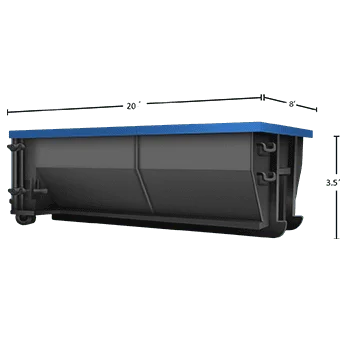
Volume and weight answer different questions
Describe the approximate bulk of the debris and what it consists of. A load of light bulky contents and a similar-looking volume of dense masonry place different demands on the container and transport arrangement. Ask the provider to propose a suitable size, accepted material mix and weight limit; a larger volume does not make every heavy load acceptable.
Compare the quotation’s included weight, if any, with the maximum loading conditions for the actual equipment. Ask how excess weight or rejected material is handled and whether dense materials need a separate request. Do not fill above the provider’s specified level or add protruding material merely because space seems available.
- Approximate volume and the main material types
- Heavy or unusually bulky items disclosed before ordering
- Agreed loading level and material-specific limits
- Included weight and any separately charged work identified in the proposal
Prepare a container location that can be approached safely
The truck needs handling space to place and recover the container, not just clearance to drive past it. Describe the approach, turning room, overhead obstacles and the area in front of the proposed position. If the selected container has a loading door, its usable opening also needs space after delivery. Let the provider assess the arrangement rather than supplying guessed clearance dimensions.
Choose a proposed location that keeps the container away from active equipment routes, loading zones, entrances, and pedestrian paths. Review surface conditions, clearance above and around the location, turning space, gates, parked vehicles, and any temporary conditions that could affect the delivery approach.
The property owner, manager, or authorized site contact should verify placement rights and any building, shared-access, curb, or roadway restrictions. A container location should also remain accessible when collection is needed, not only on delivery day.
- Stable placement area and clear approach
- Room for vehicle movement and container handling
- No conflict with doors, fire lanes, work routes, or guest circulation
- Confirmed property permission and an on-site contact
Arrange the loading area before work starts
Give the people loading the container the agreed material and fill instructions. Keep pedestrian routes, entrances and portable-restroom access outside the debris-handling area. Do not compact material with improvised equipment, shift the container yourself or alter its fittings to create more room. Report a damaged component or changed loading need to the provider.
For phased work, discuss whether one collection is enough or whether a separately arranged exchange may be needed. Keep each phase’s expected material clear so that a later load does not silently change the accepted waste stream. Container exchanges, restroom servicing and site cleanup are separate activities to coordinate, even when they occur on the same project.
Confirm collection readiness
Collection planning starts before the container is filled. Confirm who will communicate project changes, how access will be kept open, and when the site can be ready for removal. Do not assume a collection vehicle can work around vehicles, new barriers, or a changed site layout.
Ask a provider to explain the requested arrangement, including container planning, delivery and collection coordination, and the information needed about materials and site access. Applicable container availability and the final logistics should be confirmed for the request.
Questions before you book
Why does material type matter as well as container size?
Volume describes the space occupied; weight depends on the material. Dense debris can reach an agreed loading limit before the container looks full. Disclose the material and confirm both the permitted load and any quotation allowance.
How should a container location be prepared?
Review the surface, clear vehicle approach, overhead and side clearance, turning space, and conflicts with entrances, work routes, or parked vehicles. Keep the collection route clear too.
Can collection be replaced with an exchange during the job?
Ask whether an exchange can be arranged for your location and dates, what material the next load will contain and how it is priced. Do not assume an exchange or an additional rental period is included.