
Choose equipment around the use of the site
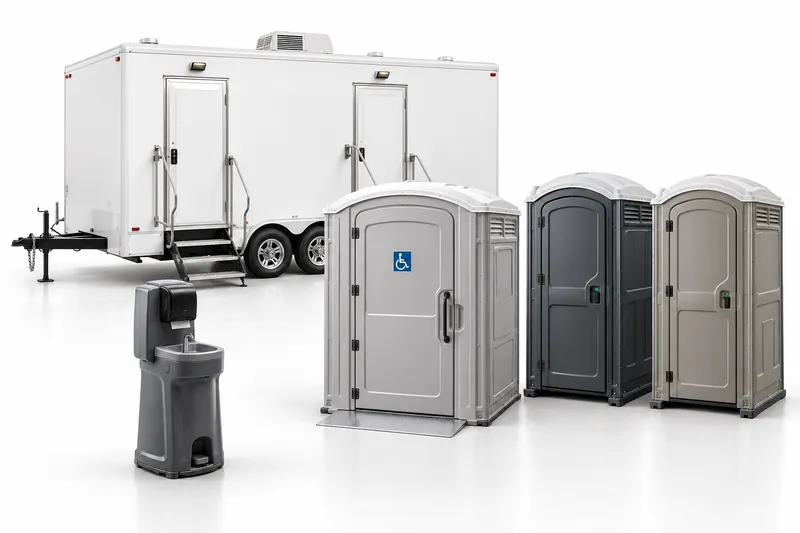
A standard portable toilet is often the practical starting point for temporary work, property projects and informal outdoor use. An accessible portable restroom may be appropriate where guests or workers need a roomier entry and use area. Handwashing stations can add a separate hygiene point near restrooms, food, activity areas or work zones.
For a guest-facing occasion, event-oriented, deluxe or other upgraded restroom categories may be worth discussing alongside standard units. The setting, length of use, guest expectations and available fixed facilities all affect the conversation. The applicable model and availability should be confirmed before a layout depends on a particular category.
- Describe whether the rental supports a project, gathering, beach-area concept or another temporary use.
- Identify the expected number of users and whether use is concentrated at arrivals, breaks, meals or the end of the event.
- Note existing restrooms, water access, food service and whether a handwashing station is needed.
Plan placement for sand, pavement and pedestrian movement
Mark a stable proposed placement area and explain whether it is pavement, compacted ground, grass, sand-adjacent ground or another surface. Keep restrooms useful to attendees without placing them in a narrow pedestrian route, vehicle lane, emergency path or the area needed for tents, staging, waste handling or other event equipment.
For beach or parking-area concepts, provide the intended vehicle approach, entrance points, height or turning limitations, gates, curbs and the route to the placement area. Delivery, any needed service visit and collection each need a workable approach. A clear collection route should remain available after the event has been packed down.
- Proposed unit location and surface condition
- Vehicle entrance, loading route and site contact
- Pedestrian circulation, emergency lanes and fixed-facility locations
- Dates and access windows for delivery, use, service coordination and pickup
A dated TOBAY Beach event example
A Town of Oyster Bay resolution dated 2022 for a TOBAY Beach parking-field car show recorded that the organizers were responsible for equipment including generators, barricades, portable restrooms, tables, chairs and staff, subject to Town Parks assistance and required documentation. It is a useful example of restrooms being considered as one component of a larger event equipment plan.
That resolution concerned a named event and is not a current Town-wide rule for every property, beach or event. Confirm the current property owner, venue or Town conditions, documentation and layout requirements for the specific concept before scheduling equipment.
- Coordinate restroom locations with barricades, generators, tables and other planned equipment.
- Keep equipment routes distinct from guest circulation where possible.
- Ask the venue or responsible authority which approvals and operating conditions apply to the proposed location.
Questions before you book
How should portable restrooms fit an event equipment plan?
Place them on the same working map as entrances, food, seating, generators, barriers, tents, activity areas and emergency routes. This helps avoid a location that interferes with setup, guests or later collection.
What access details are useful for beach or parking-area concepts?
Share the vehicle entrance, route to the proposed location, surface type, curbs or gates, pedestrian paths and the route that will remain open for pickup. Confirm local site conditions with the venue or responsible authority.
What should be confirmed before scheduling?
Confirm the dates, purpose, expected users, equipment category, existing facilities, placement area, access route, responsible site contact and any venue or property approval requirements.